The grieving family members have left the hospital room, gently reminded by a health care professional that their loved one wished to become an organ donor. For that to happen, death must be declared. After a mandated pause, surgeons then recover organs that will bring life to people ranked by need on transplant wait lists.
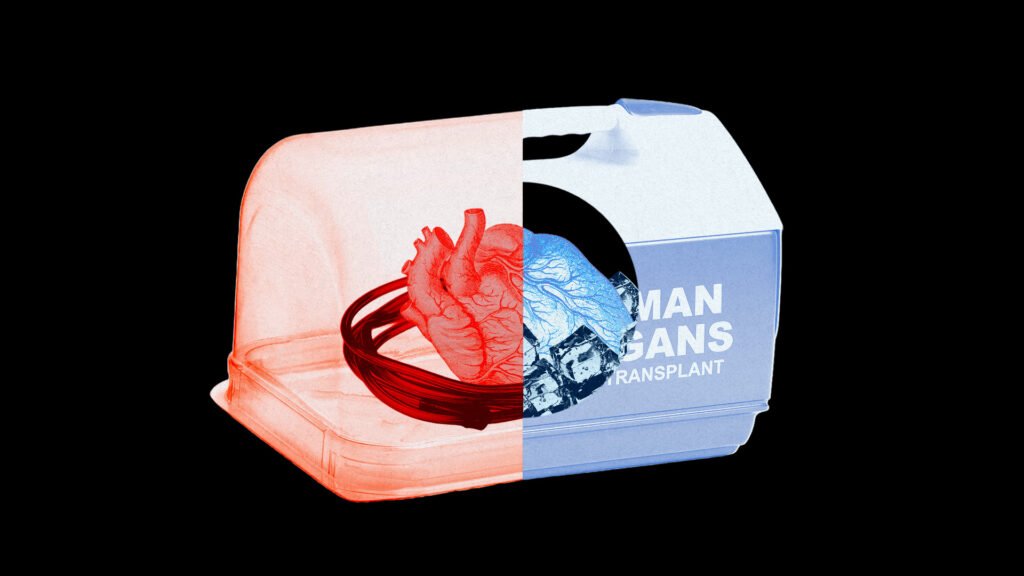
What happens next depends on a branching series of events. First is how death is determined, followed by how the organs are evaluated and cared for in transit between donor and recipient. The classic image is an Igloo cooler gripped by a medical worker leaping off a helicopter. But new methods embraced over the past five years — including both warm and cold perfusion technologies that keep fluid flowing through organs to stop the clock on organ decline — make that picture out of date.
The technological advances, along with an ethically complex shift in determining when and how organ retrieval can begin, are transforming the field of organ donation. In different forms sold by different companies or developed at different hospitals, the new perfusion approaches can whittle days or months from the wait list and make better use of more donated organs. Vital fluids and nutrients can be pumped into organs before or after removal to minimize damage before transplant. Inflated lungs with adjustments for air pressure changes on a plane via cold storage can add hours to the organs’ usefulness. Operations can be scheduled while organs stay stable in a perfusion box, without the need to discard organs declining in tight timeframes.