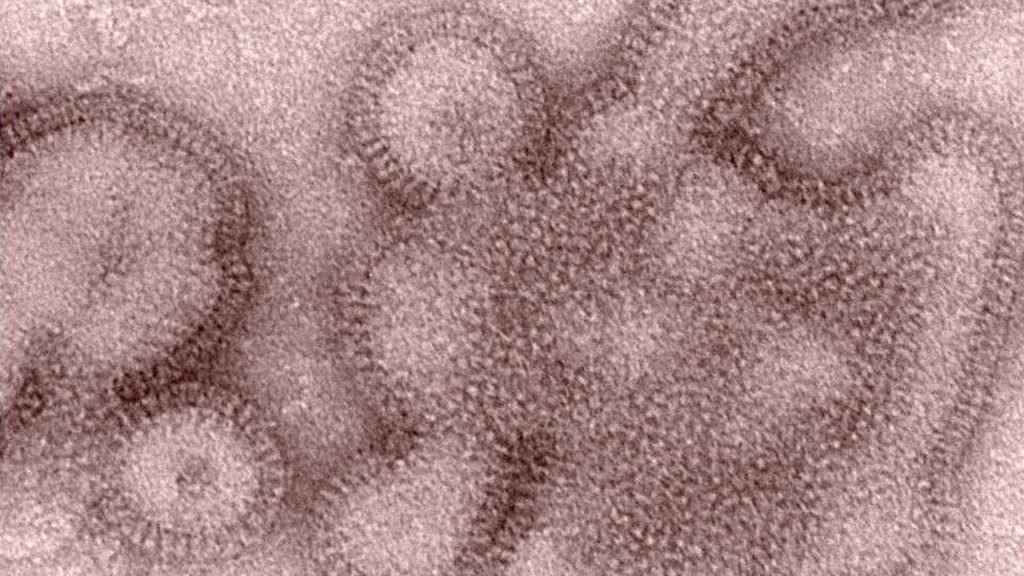
Every year, vaccine manufacturers rely on guidance from the World Health Organization to know what influenza strain to target with their flu shots. But sometimes the strains that end up circulating in peak flu season do not match the strains used for making the vaccines.
Sometimes this happens because a different flu strain ends up becoming dominant, or because the strain identified for the vaccines has mutated. This year, it’s the latter — a variant of H3N2 flu virus called subclade K has emerged.