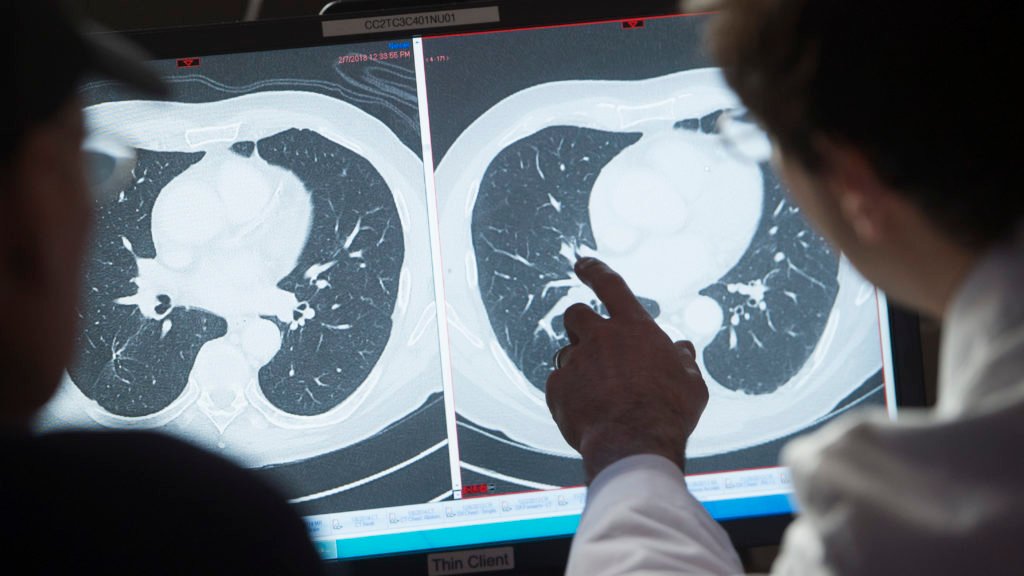
More people are surviving cancer than ever before, as the five-year survival rate across cancer has reached 70%, according to the American Cancer Society’s new cancer statistics report. To experts, the figure is a marker of the progress in oncology since the passage of the National Cancer Act in 1971, when only 50% of cancer patients lived past five years.
“That is spectacular. For someone like me, with decades in this field, that is so gratifying to see. There’s real progress when you think about therapies for cancer,” said Marcel Van Den Brink, the president of City of Hope’s cancer center, who was not involved with the report from the American Cancer Society (ACS).
Advances in several areas are likely responsible for driving the progress in cancer survival, said William Dahut, ACS’ chief scientific officer. Number one, he said, is likely decreased tobacco use. In the 1960s, roughly half of people diagnosed with cancer were either former or current smokers. The proportion of active smokers has fallen from 44% to 11% since the ’60s, Dahut said. Early detection through breast, cervical, prostate, lung, and colorectal cancer screenings have also been a major driver in increasing survival.