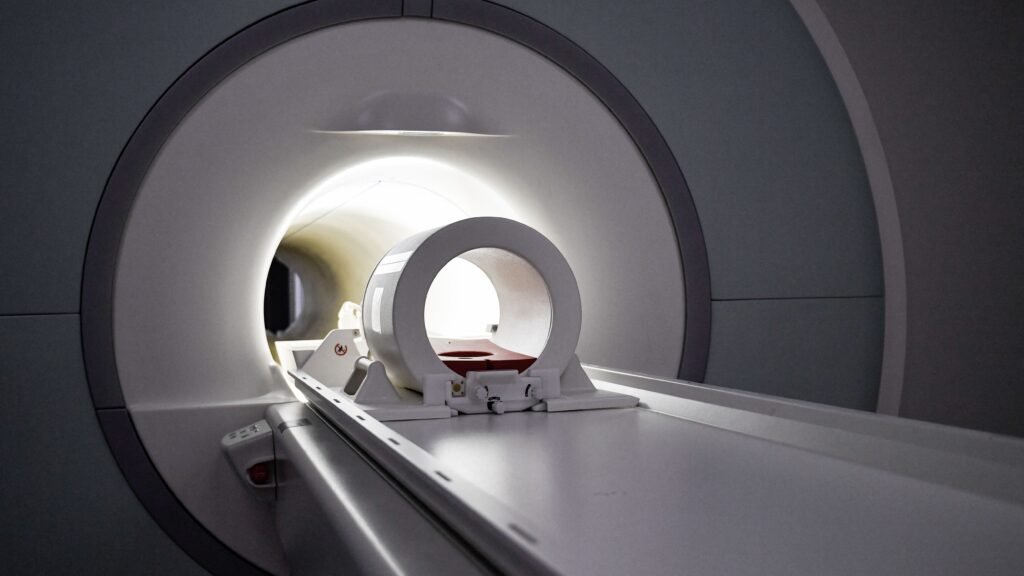
Hearts need oxygen. Heart attacks are the most dramatic example of this hunger, when blocked coronary arteries starve muscles of the oxygen they need to keep beating. Less sudden is heart failure, when lagging levels of oxygen consumption can mean the heart doesn’t pump blood through the body as well as it should.
Determining how much oxygen the heart is or isn’t using can help detect heart failure, important in designing treatment in early stages of a condition that affects 1 in 4 Americans over a lifetime. There are other ways to reach a diagnosis: blood tests, electrocardiograms, echocardiograms, stress tests, and chest X-rays as well as the CT scans, coronary angiograms, and biopsies of heart muscle.