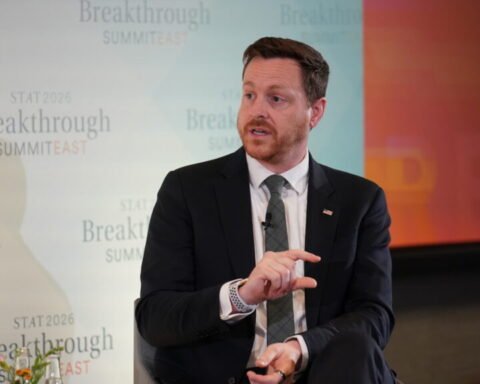
Listen to the Trump administration’s rhetoric about vaccines and you’ll hear a refrain. In September, what replaced the government recommendation that everyone over 6 months get an annual Covid shot? “Shared clinical decision-making.” What’s at the heart of timing kids’ immunizations, according to National Institutes of Health director Jay Bhattacharya? “Shared decision-making.” In early January, what filled the vacuum when federal authorities abruptly stopped broadly endorsing vaccines against rotavirus, influenza, meningococcal disease, hepatitis A, and hepatitis B for kids who aren’t deemed high-risk? “Shared clinical decision-making.”
But to researchers who’ve spent their careers advancing shared decision-making, federal health leaders may be distorting the concept. At its heart, it involves clinicians giving their patients accurate information about the various options before them, and then the two parties collaboratively articulating a plan built on both the scientific evidence and the person’s own goals and preferences.