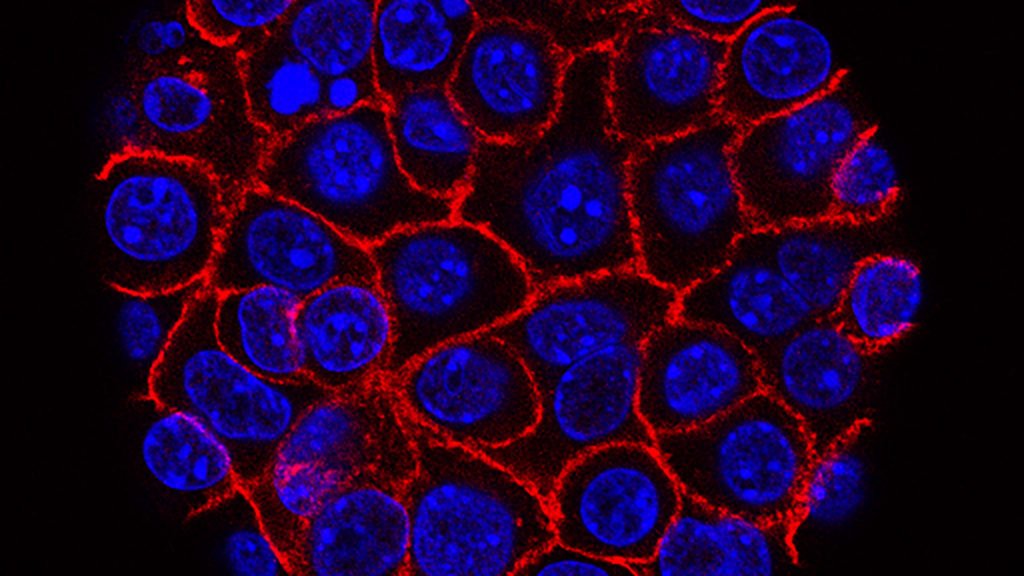
Through a microscope, pathologists can see a great deal about a tumor. They can diagnose the disease, and get a sense for how aggressive it may be. But human eyes are limited in ways that computer vision is not, and companies like Valar Labs in Palo Alto, Calif., are developing machine learning algorithms that can extract insights that only artificial intelligence can really see. The goal is to use that information to provide a treatment recommendation to the oncologist and patient.
That kind of AI assist might be particularly useful in situations where there’s clinical equipoise — when oncologists don’t have clear indications which treatment will work better for an individual. If one treatment fails to work, as it inevitably does for some portion of patients, time is lost and patients must move on to the next line of treatment. If AI can provide clarity here, experts told STAT, it could help oncology reach a new level of personalized medicine.
“I think it’s a really promising direction for getting the right treatment to the right person,” said Danielle Bitterman, an oncologist and AI researcher at Dana-Farber Cancer Institute.