October 24, 2025
1 min read

Algorithms used to determine Medicaid eligibility for home care vary widely among states

The massive tax cut bill President Trump signed in July is forcing states to grapple with a pivotal question: With federal Medicaid spending projected to drop drastically, which patients should get care at home, and how much care should they get?

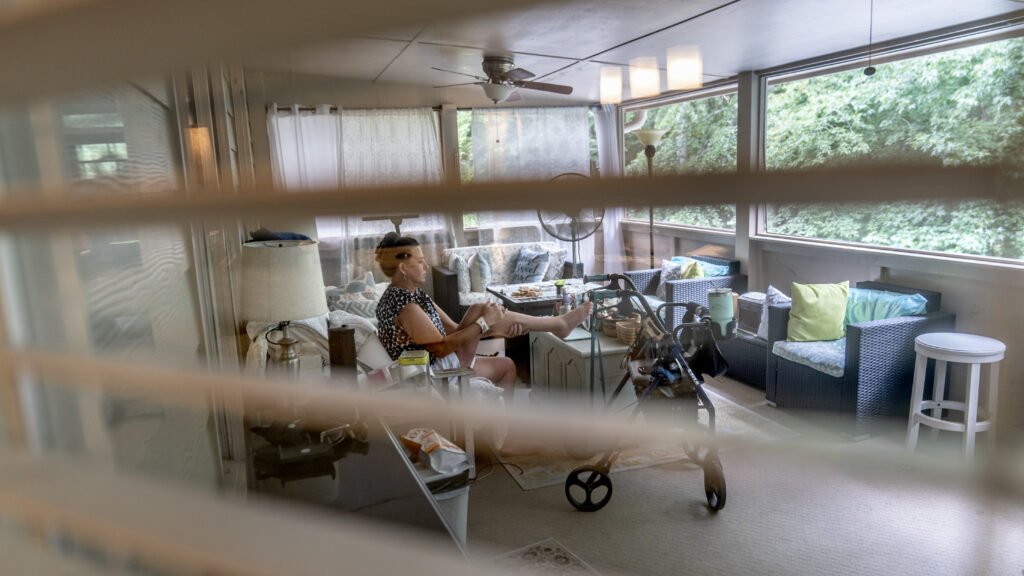
In the United States, 3 million elderly and disabled people use home and community-based services, ranging from an hour or so a day up to around-the-clock help with various therapies, bathing, dressing, and other needs. States are not required to fund these programs, but many have chosen to use Medicaid funds to cover such care, accounting for two-thirds of all home care spending in 2022, according to a KFF analysis. 

Read the rest…

Leave a Reply

Your email address will not be published.

Previous Story

Transforming Nematode-Infected Pine Chips into Nutrition

Next Story

Online Program Increases Lung Cancer Screening Rates

Previous Story

Transforming Nematode-Infected Pine Chips into Nutrition

Next Story

Online Program Increases Lung Cancer Screening Rates

Latest from Blog

ROFI Drives New Approach to Crop Nutrition

With input costs continuing to pressure farm budgets, some growers are making difficult decisions to reduce fertilizer application rates. While that strategy may ease upfront expenses, it is also accelerating a broader

STAT+: A new attack on AMA’s billing codes

You’re reading the web edition of D.C. Diagnosis, STAT’s twice-weekly newsletter about the politics and policy of health and medicine. Sign up here to receive it in your inbox on Tuesdays and Thursdays. Brain
Go toTop