November 2, 2025
1 min read

Opinion: A sports device to ‘protect the brain’ illustrates a major problem with the FDA de novo pathway

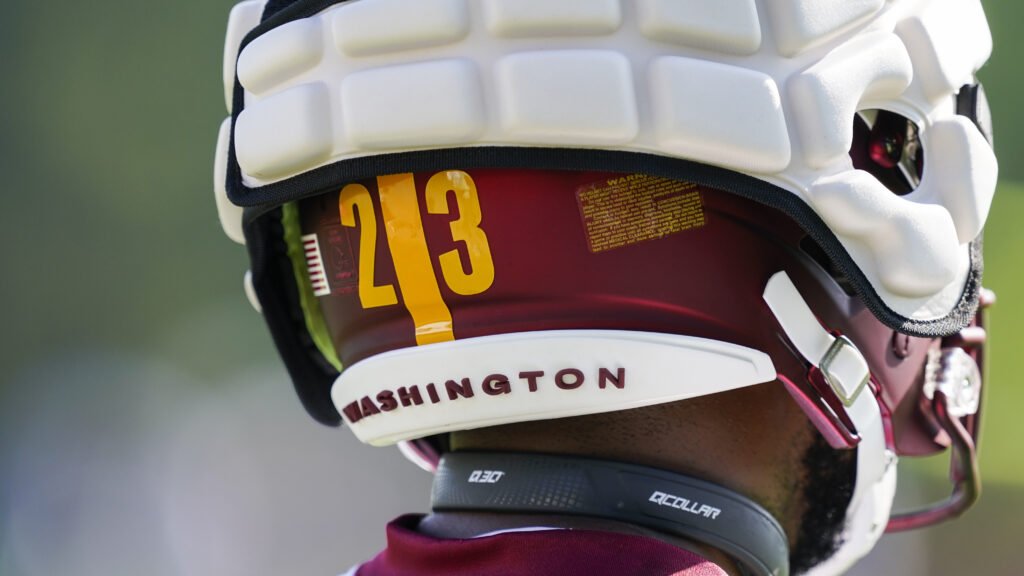
The Q-Collar — a neck collar inspired by the woodpecker — has been worn by NFL players and thousands of young athletes. When it debuted in 2012, it originally promised to reduce concussion risk by lightly squeezing the jugular veins, supposedly stabilizing the brain. By 2019, it started to use more ambiguous language, saying the device could “protect the brain.” The company raised tens of millions of dollars and proudly advertises that it is “FDA authorized.” To most consumers, that sounds like proof.

It isn’t, as a colleague and I detailed in an investigation in The BMJ recently.

Read the rest…

Leave a Reply

Your email address will not be published.

Previous Story

Skip overrated Avocado: Chia seeds to hummus, 5 smarter superfoods that deliver more nutrition and health benefits – The Times of India

Next Story

Study Finds Surprising Link Between Gut and Brain Rhythms

Previous Story

Skip overrated Avocado: Chia seeds to hummus, 5 smarter superfoods that deliver more nutrition and health benefits – The Times of India

Next Story

Study Finds Surprising Link Between Gut and Brain Rhythms

Latest from Blog

ROFI Drives New Approach to Crop Nutrition

With input costs continuing to pressure farm budgets, some growers are making difficult decisions to reduce fertilizer application rates. While that strategy may ease upfront expenses, it is also accelerating a broader

STAT+: A new attack on AMA’s billing codes

You’re reading the web edition of D.C. Diagnosis, STAT’s twice-weekly newsletter about the politics and policy of health and medicine. Sign up here to receive it in your inbox on Tuesdays and Thursdays. Brain
Go toTop