I watched Hailey’s chest without pause, searching for the slightest movement, a tiny intake of breath, any sign of life.
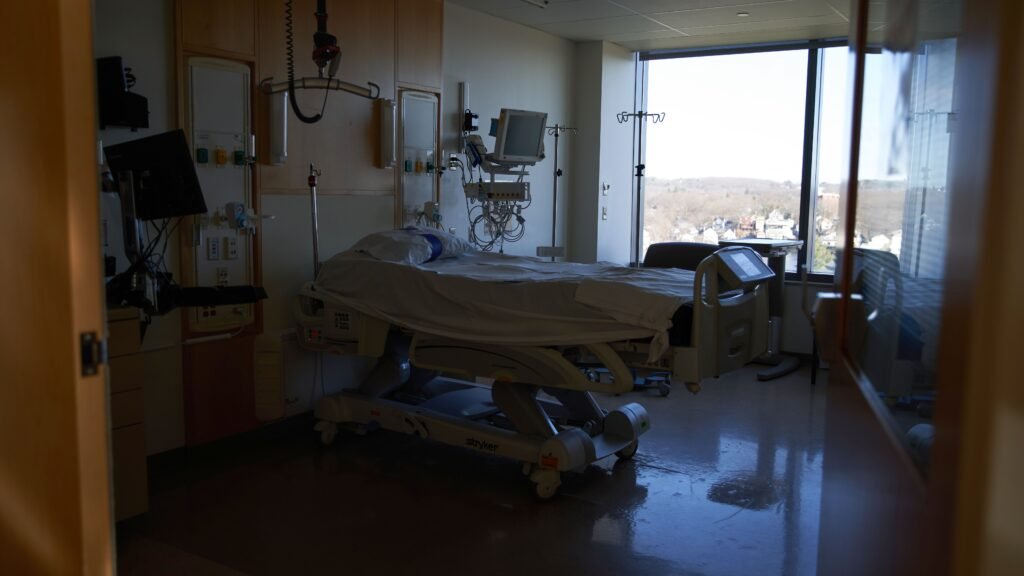
Hailey (not her real name) was 22 years old, a college student who had suffered a catastrophic brain injury in a traffic accident. She lay before me in our neuroscience intensive care unit, her heart beating steadily, her skin warm, a ventilator breathing for her. I was performing an apnea test, the final step in determining whether she had died by neurological criteria. It’s part of my job as a neurointensivist at Oregon Health & Science University. The longest 10 minutes of my life are those I spend watching for any small chest movement as we remove a patient from a breathing machine. I can’t let my eyes wander. I can’t blink. Hailey never took a breath; she was brain dead.