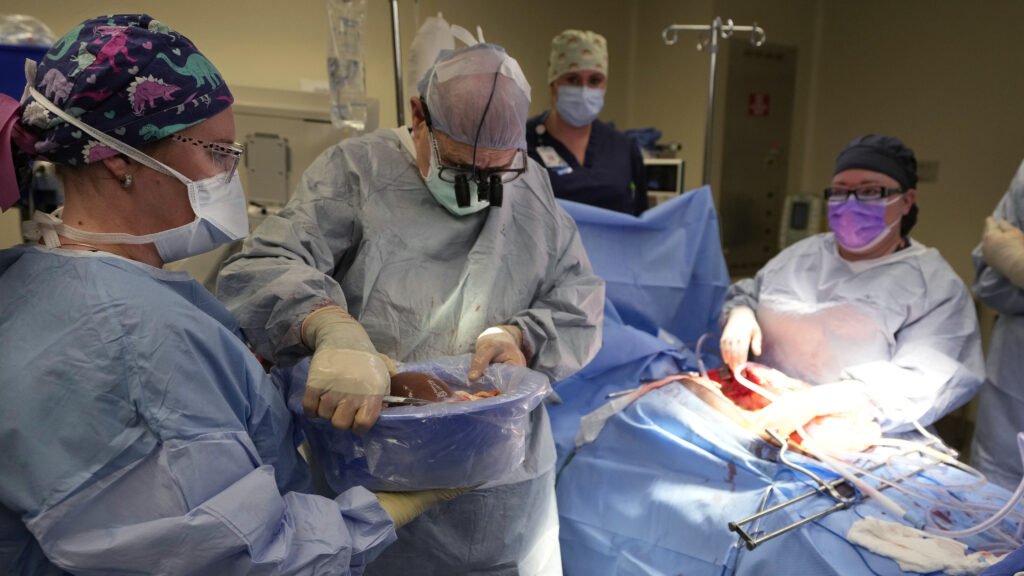
Immune tolerance has long been the holy grail in transplant medicine, a hoped-for end to the downsides of anti-rejection regimens for patients after they receive lifesaving organ transplants. A small, early-stage study now shows promise in taking cells from living donors — people giving a portion of their livers — to teach recipients’ immune systems to accept the foreign organs as their own and achieve the ultimate healthy outcome.
Living donations take advantage of the liver’s ability to regenerate, meaning donors can part with a piece of their liver and later see it grow back. Recipients can regain enough liver function from the partial organs that also grow, replacing livers damaged by alcohol-associated liver disease, metabolic-associated liver disease, liver cancer, or other causes. Immunosuppression keeps their bodies from rejecting the new organs, but it also raises their vulnerability to infectious diseases and certain cancers. Serious side effects from the drugs include developing diabetes and kidney damage.
Cell therapy has been tried before to disarm the immune system’s attack by recruiting regulatory T immune cells taken from the donor. In the new study, whose results were published Friday in Nature Communications, different immune cells known as regulatory dendritic cells were obtained from donors’ white blood cells and generated in a lab. The idea behind both cell therapies is the same: to teach immune cells in the recipient’s body to treat the donated liver fragment as familiar tissue, not an invader be attacked.